

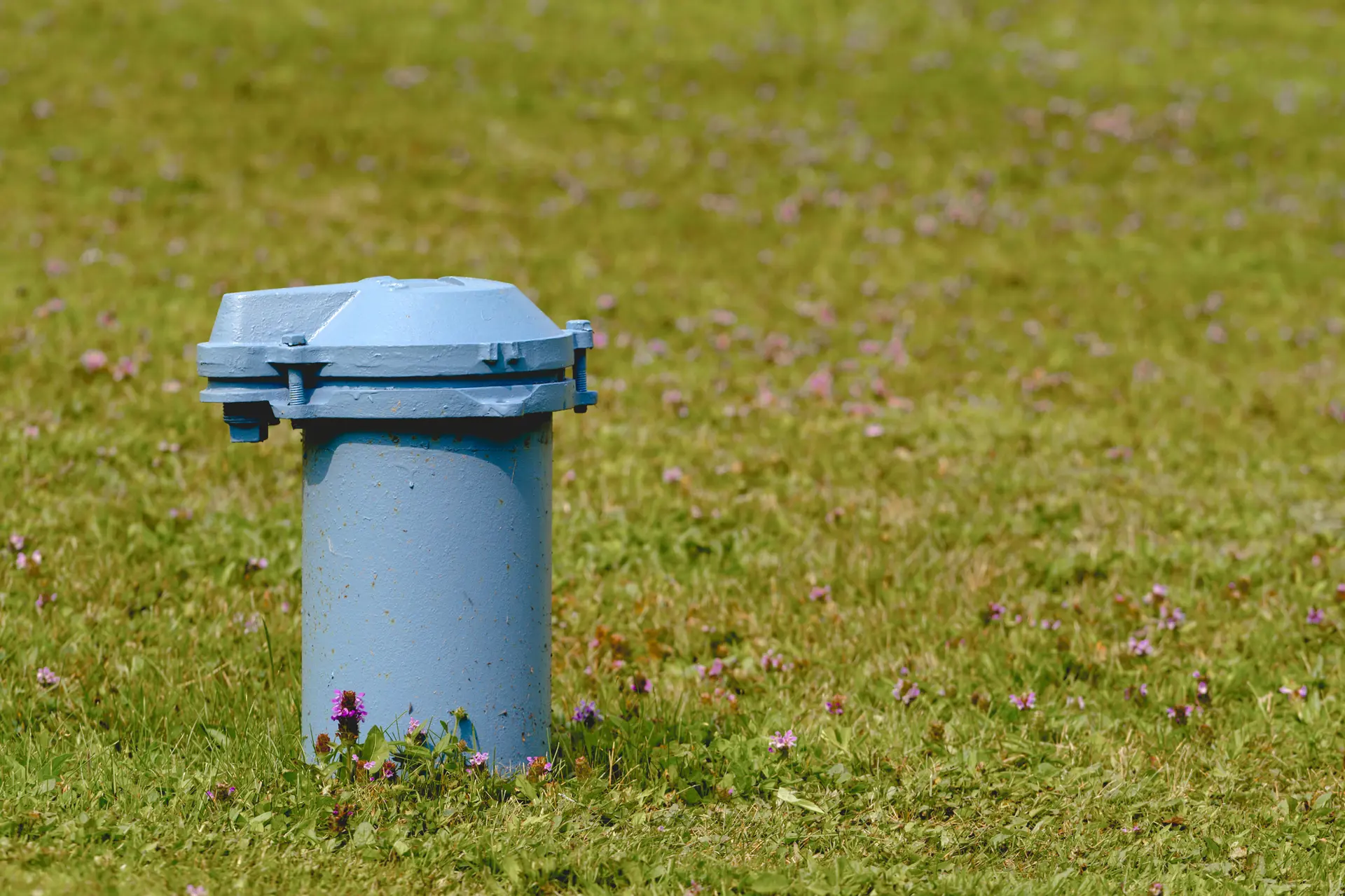
Tired of opening your monthly utility bill only to see the cost of keeping your lawn green climbing higher? For many homeowners, the solution is literally right under their feet. A shallow well is a private water source that taps into the upper layers of the earth to provide a dedicated supply for your yard and garden. It is one of the most practical ways to gain water independence while keeping your monthly expenses down.
What Exactly Is a Shallow Well?
In simple terms, a shallow well is a hole drilled into the ground to reach the “water table.” The water table is the level at which the ground is completely saturated with water, like a giant sponge beneath your grass. Unlike deep wells that go hundreds of feet down into solid rock, shallow wells usually stop once they hit a reliable pocket of water in the sand or soil layers. This makes them a great choice for residential irrigation because the setup is straightforward and the water is easily accessible.
Because these wells aren’t dug to the center of the earth, they rely on the natural replenishment of rainwater soaking into the ground. This process is part of the local “hydrologic cycle,” a term scientists use to describe how water moves from the sky to the land and back again. By using this water for your plants, you are utilizing a renewable resource that stays right in your neighborhood.
To help you visualize how this works, here are the main parts of a typical system:
- The well point is a screened pipe at the bottom that lets water in but keeps sand and dirt out.
- The casing is the outer pipe that protects the hole and keeps it from caving in over time.
- The centrifugal pump sits above ground and acts like a vacuum to pull the water up and push it into your sprinklers.
The Financial Benefits of Going Private
The most common reason homeowners look into drilling a well is the immediate impact on their bank account. When you use city water, you are paying for the water itself, the chemicals used to treat it, and the massive infrastructure required to move it across town. When you switch to a shallow well for your outdoor needs, you stop paying those “tier-based” water rates that penalize you for having a large, thirsty lawn.
While there is an initial cost to set everything up, a private well often pays for itself through savings on your monthly bill. According to the Environmental Protection Agency (EPA), the average American family uses about 320 gallons of water per day, and a huge chunk of that goes to outdoor landscaping. Moving that demand to a private well can cut your city bill significantly.
Beyond the monthly savings, consider these long-term value factors:
- Increased property value because future buyers love the idea of “free” irrigation water.
- Protection from rising municipal water costs that happen as cities grow and expand.
- The ability to water your lawn more frequently without worrying about hitting a high-cost usage bracket.
Is a Shallow Well Right for Your Property?
Not every backyard is a perfect candidate for a shallow well, but many are. The success of a well depends on the “yield,” which is just a fancy word for how much water the ground can provide per minute. In many parts of Florida, the sandy soil allows water to move easily, making it simpler to find a spot that produces enough flow to run several sprinkler heads at once.
Before a drill ever touches the dirt, a professional team assesses the local geology to ensure water is available. They also check for “setbacks,” which are safety distances required between your well and things like septic tanks or power lines. This planning stage is the most important part because it ensures your water stays clean and your system runs efficiently for years.
When evaluating your property, a specialist usually looks for the following:
- Proximity to your existing irrigation pipes to keep the plumbing simple and affordable.
- Soil consistency to determine whether a “driven” or “drilled” method is best for your land.
- Access to the equipment needed to install the casing and set the pump.
Understanding the Installation Process
The process of getting a shallow well is much faster and less messy than most people realize. It usually starts with an initial site assessment to find the best location. Once the spot is picked, the drilling team uses specialized tools to create a narrow path down to the water-bearing sand. After the pipe is in place, they “develop” the well, which is just the process of pumping out the initial murky water until it runs clear and steady.
Once the well is producing clear water, the pump is installed and connected to your home’s power and irrigation valves. A high-quality pump is the heart of the system, and choosing the right size is vital. If the pump is too small, your sprinklers won’t have enough pressure; if it’s too large, you might pull more water than the well can naturally provide.
Here is what you can expect during the typical setup phase:
- A site visit to mark underground utilities and plan the best path for pipes.
- The actual drilling or driving of the well, which often takes less than a full day.
- A “flow test” to make sure the well produces enough gallons per minute to meet your needs.
Keeping Your Water System Healthy
While shallow wells are generally low-maintenance, a little bit of care goes a long way. Because these wells are closer to the surface than deep wells, they are more affected by what happens on the ground. Avoiding the use of heavy fertilizers or pesticides right next to the wellhead is a smart move. It’s also a good idea to listen to your pump; if it starts making a loud humming sound or turning on and off too quickly, it might need a simple adjustment.
The National Ground Water Association recommends that all private wells be inspected periodically to check for mechanical wear and tear. This helps catch small issues, like a tiny leak in a pipe, before they turn into big problems like a burned-out motor. Think of it like an oil change for your car—a small bit of prevention keeps the whole machine running smoothly.
To keep your system in top shape, follow these simple habits:
- Keep the area around the well casing clear of tall weeds, debris, or standing water.
- Cover your above-ground pump with a ventilated cover to protect it from the sun and rain.
- Check your sprinkler heads once a month to ensure they aren’t clogged with sand or minerals.
Finding the Right Partner for Your Well
A shallow well is a fantastic investment, but it isn’t a DIY project. It requires specific knowledge of the local water table, the right equipment, and an understanding of local regulations. Working with a professional ensures that your well is deep enough to provide water even during a dry spell and that the pump is calibrated perfectly for your specific yard.
At Charlie's Wells Irrigation, we have spent decades helping our neighbors achieve water independence. We offer a full range of services to cover every step of the journey. Our team can help you with initial site assessments to find the best spot on your property, and we handle the heavy lifting of professional well drilling. We take pride in being a family-run, veteran-owned business that treats your home with the respect it deserves.
Our team is here to help you find the best solution for your property with the honest, reliable service you expect from a local neighbor. Book your site assessment today or call us at (727) 610-6737 to get your questions answered by a pro!