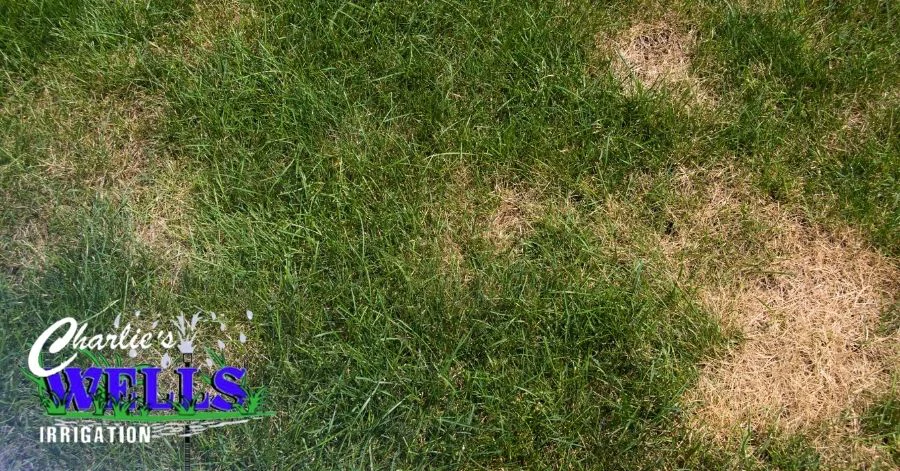
Every Florida homeowner knows the pride of a lush, vibrant green lawn. It is the backdrop to our weekend barbecues, neighborhood chats, and afternoon relaxation. But few things are more frustrating than stepping outside to find stubborn, unsightly brown patches marring your turf—especially when you know your irrigation system runs faithfully every week.
In our unique Sunshine State environment, "running the sprinklers" isn't always synonymous with "even watering." If your lawn is developing dry spots despite an active irrigation schedule, several underlying local issues could be at play.
1. Broken, Clogged, or Misaligned Sprinkler Heads
Our sandy soils and fast-growing turf mean irrigation hardware takes a beating. Over time, mower decks can strike and misalign sprinkler heads, shifting their trajectory. Debris, sand, and hard water minerals can also clog nozzles, causing a head to sputter rather than spray. If a single head is restricted or pointing the wrong way, it leaves a "shadow" of dry grass that misses out on vital moisture entirely.
2. Inadequate Head-to-Head Overlap
A professionally designed irrigation system relies on the principle of "head-to-head coverage." This means the spray from one sprinkler head should reach all the way to the next head. If your system was poorly installed, or if your landscape plants have grown significantly and blocked the spray paths, you will end up with gaps in coverage. These gaps quickly turn into dry zones under the intense Florida sun.
3. Soil Compaction and Hydrophobic Sand
While Florida sand generally drains quickly, it can sometimes become compacted or develop an organic coating that repels water—a condition known as hydrophobicity. When this happens, water from your sprinklers simply runs off the surface instead of soaking down to the roots. Your system could be dumping gallons of water, but the roots beneath that specific spot remain completely parched.
4. Pests and Disease Mimicking Drought
Sometimes, a dry spot isn't a watering problem at all; it’s a pest problem. In Florida, chinch bugs thrive in hot, dry patches of St. Augustine grass, sucking the sap and injecting a toxin that kills the blades. Fungal diseases like Take-All Root Rot can also damage root systems so severely that the grass can no longer absorb water. To the untrained eye, these damaged areas look exactly like drought stress.
Getting Your Green Back
Fixing stubborn dry patches starts with a systematic check: perform a visual inspection of your system while it’s running, clear away blocking foliage, and check for signs of pests. Managing a healthy lawn down here takes a community effort, and keeping our neighborhood landscapes beautiful is what we do best here at Charlie's Wells Irrigation. If you are tired of guessing why your grass is suffering, let our dependable team take a look.
Contact us today at (727) 610-6737 to schedule a professional irrigation inspection and get your Florida lawn looking its absolute best.